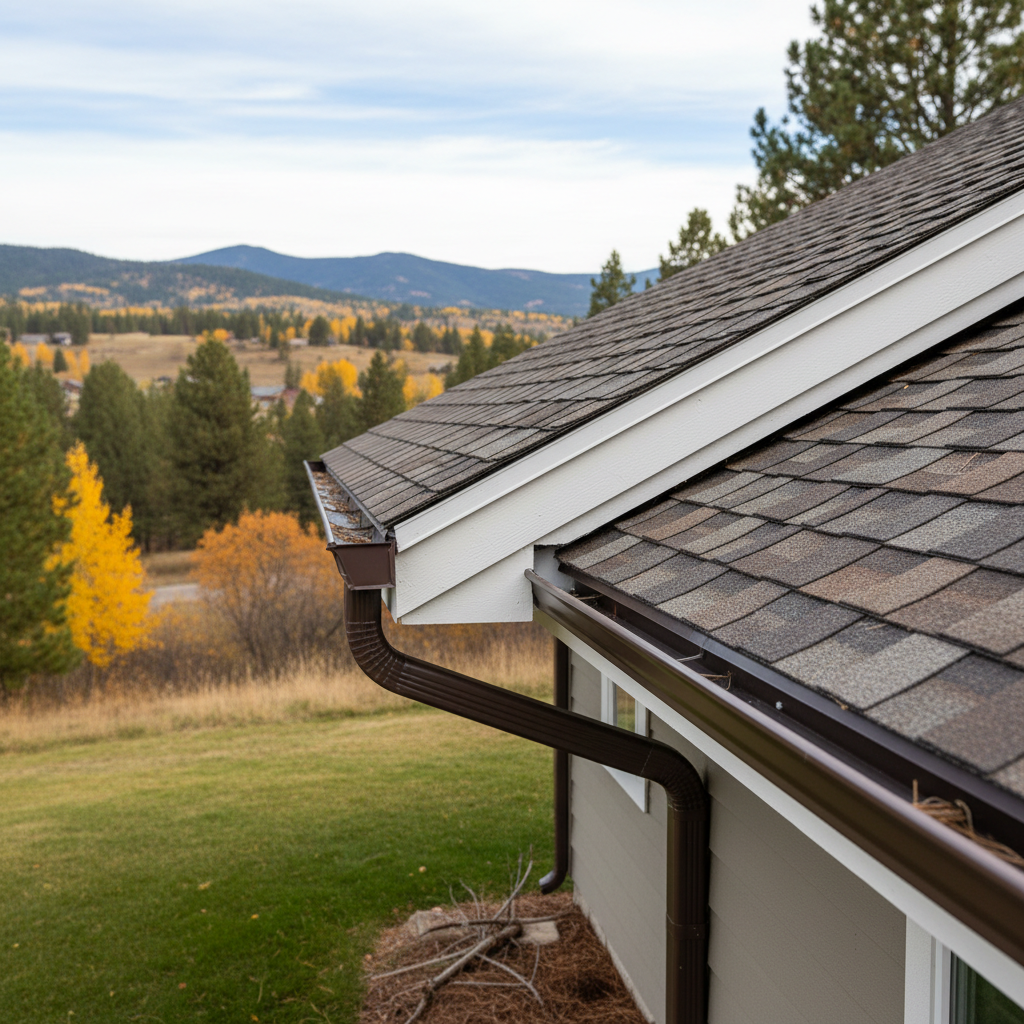
Ever looked up at the edge of your roofline and noticed something's not quite right? That's your fascia board we're talking about, and it's a pretty critical part of your home's protection. Here in Missoula, with our heavy snowfalls, wet springs, and hot summers, those boards really earn their keep. They're not just decorative; they protect your roof rafters from weather, support your gutters, and keep critters out of your attic.
What Does Fascia Do, Anyway?
Think of your fascia as the trim board that runs horizontally along the edge of your roof, right where your gutters usually attach. It's the face of your roof's eaves. It covers the exposed ends of your roof rafters, giving your roof a finished look and, more importantly, protecting those vulnerable rafter ends from moisture, rot, and pests. Without good fascia, you're looking at potential structural damage and a whole host of other headaches.
Warning Signs You've Got a Fascia Problem
You don't need to be a contractor to spot trouble. Just take a walk around your house a few times a year, especially after a big storm or a long winter. Here's what I tell folks to look for:
- Peeling Paint or Discoloration: This is often the first sign. If the paint's flaking off or the wood looks stained, especially in darker areas, it's a red flag for moisture.
- Soft or Spongy Wood: Gently poke at the fascia with a screwdriver. If it feels soft or gives way easily, you've got rot. This is a common issue around here, especially on the north side of houses where the sun doesn't hit as much and snow tends to linger.
- Cracks or Gaps: Wood expands and contracts, but big cracks or gaps mean water can get in.
- Sagging Gutters: If your gutters are pulling away from the fascia, it's a good bet the fascia itself is compromised and can't hold them securely anymore.
- Pest Activity: Carpenter ants, wasps, or even birds love soft, rotting wood. If you see signs of them nesting in or around your fascia, investigate immediately.
- Missing Sections: This one's obvious. If a piece is gone, it needs replacing.
How to Extend the Life of Your Fascia
Preventative maintenance is always cheaper than repair, believe me. Here's what you can do:
- Keep Your Gutters Clean: This is huge. Clogged gutters overflow, dumping water directly onto your fascia. In Missoula, with all our deciduous trees like cottonwoods and aspens, gutters fill up fast. Clean them out at least twice a year – once in late fall after the leaves drop, and again in spring.
- Ensure Proper Gutter Drainage: Make sure your downspouts are directing water well away from your foundation. If water pools near your house, it can wick up into your fascia.
- Maintain Your Roof: Loose or damaged shingles can allow water to get behind the fascia. Get any roof issues fixed promptly.
- Good Paint Job: A quality exterior paint job acts as a protective barrier. Don't skimp on prep work, and use a good primer and exterior-grade paint.
- Trim Trees: Branches rubbing against your fascia can wear down the paint and wood over time. Keep them trimmed back.
Regular Maintenance: Your Annual Checklist
I recommend doing a thorough check of your fascia and gutters every spring and fall. It doesn't take long and can save you thousands down the road.
- Visual Inspection: Walk around your house. Look for any of those warning signs I mentioned.
- Gutter Cleaning: Clear out all debris. Make sure water flows freely.
- Check for Leaks: During a rainstorm, go outside and watch your gutters. Are they overflowing? Are there any drips coming from the fascia itself?
- Test the Wood: If you see any suspicious spots, carefully test the wood with a screwdriver.
When to Call a Professional
Look, some things you can DIY, but fascia repair isn't always one of them. Here's when it's time to call in the pros, like us at Omega Gutter Solutions:
- Extensive Rot: If you've got more than just a small, localized soft spot, it's probably time for a professional repair or replacement. Rot spreads fast, especially in our damp climate.
- Structural Damage: If the fascia is severely compromised and your gutters are pulling away significantly, you might have structural issues that need an expert eye.
- High or Hard-to-Reach Areas: Working on ladders, especially at roof height, can be dangerous. If you're not comfortable or don't have the right equipment, don't risk it.
- Recurring Problems: If you're constantly patching the same spots, there's likely an underlying issue that needs to be addressed by someone who knows what they're doing.
- Gutter Replacement: If you're getting new gutters, it's the perfect time to address any fascia issues. We always check the fascia thoroughly before installing new gutters to ensure they have a solid surface to attach to.
Don't let a small fascia problem turn into a big, expensive headache. A little attention now can save you a lot of grief later. Keep an eye on those roof edges, and if you're ever in doubt, give us a call. We're happy to take a look.