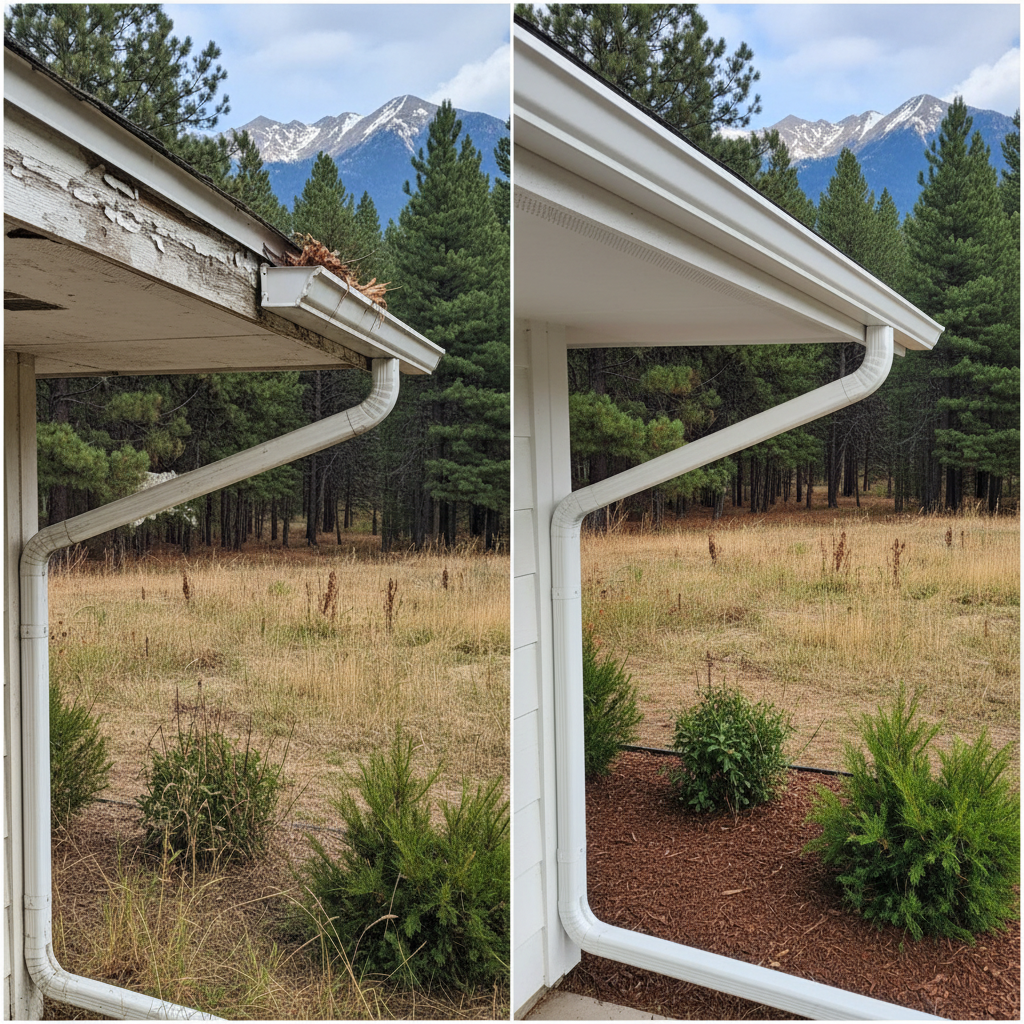
Your soffits are taking a beating, aren't they? Whether it's from our harsh Missoula winters, pesky critters, or just plain old age, figuring out what to do about damaged soffits can feel like a headache. You've got two main routes: patch the problem areas or rip it all out and start fresh. Let's talk about which one usually makes the most sense for folks around here.
Patching: The Quick Fix
Patching soffits means you're only addressing the visible damage. Say you've got a section where squirrels chewed through, or a piece of vinyl blew off in a windstorm. A contractor comes in, cuts out the bad section, and replaces it with new material. It's often quicker, and on the surface, it looks cheaper.
- Cost: Less upfront, usually. You're paying for materials for a small section and less labor time. If it's a small, isolated spot, you might be looking at a few hundred bucks, maybe up to a grand for more extensive but still localized damage.
- Durability: This is where patching can get tricky. If the underlying issue isn't fixed – like a persistent water leak from a clogged gutter that caused the rot in the first place – that patch isn't going to last. You're just putting a band-aid on a bigger problem. It's only as durable as the surrounding, older material, which might be ready to fail soon anyway.
- Maintenance: You'll want to keep an eye on it. Patched areas can sometimes stand out, and if the old material continues to degrade, you might be patching again in a few years. It's a bit like playing whack-a-mole.
- Appearance: This can be a real hit or miss. Matching old, faded vinyl or painted wood with new material can be tough. Even if you get the color right, the texture might be off, or the new section might look too stark against the weathered existing soffit. It can look like a patchwork quilt if you're not careful.
Full Replacement: The Long-Term Solution
A full soffit replacement means taking down all the old material, inspecting the sub-structure (the fascia, rafter tails, etc.), making any necessary repairs there, and then installing brand-new soffits across the entire run. This is a bigger job, no doubt about it.
- Cost: Definitely more expensive upfront. You're paying for all new materials and significantly more labor. For an average Missoula home, you could be looking at several thousand dollars, depending on the size of your house and the material you choose (vinyl, aluminum, wood). But remember, you're paying once for a solution that should last decades.
- Durability: This is the big win. When you replace everything, you get consistent, new material that's designed to last. Plus, a good contractor will address any hidden issues like rot in the fascia board or inadequate ventilation during the process. This means your new soffits, and the whole eaves system, are much more robust against our freeze-thaw cycles and heavy snow loads.
- Maintenance: Minimal. New soffits, especially modern vinyl or aluminum, are virtually maintenance-free. You won't have to worry about painting or constant repairs for a very long time. Just make sure your gutters are clean and draining properly – Omega Gutter Solutions can help with that, by the way – and your soffits will thank you.
- Appearance: Uniform and clean. Everything matches, looks fresh, and boosts your home's curb appeal significantly. It's a noticeable upgrade that makes your house look well-maintained and cared for.
My Takeaway for Missoula Homeowners
Here's what I've seen over the years working on homes from the Rattlesnake to the Target Range area: patching is almost always a temporary fix. Our weather here in Missoula – the deep freezes, the heavy snow, the occasional high winds – puts a lot of stress on exterior components. If one section of your soffit is failing, chances are the rest isn't far behind, or there's an underlying issue that needs to be addressed.
For most homeowners, especially if you plan on staying in your house for more than a few years, a full soffit replacement is the smarter investment. You get superior durability and a much better-looking home without the constant worry of another patch job. It addresses the root causes of damage, like poor ventilation or water intrusion, rather than just covering them up.
Yes, the upfront cost is higher. But when you factor in the longevity, the reduced maintenance, and the improved protection for your home's structure, it usually works out to be more cost-effective in the long run. Don't just fix the symptom; fix the problem.
What to Do Next
If you're seeing damaged soffits, don't ignore them. They're a critical part of your home's ventilation and protection against moisture and pests. Get a professional out to take a look. We can assess the extent of the damage, check for underlying issues, and give you an honest recommendation on whether a patch will truly solve your problem or if it's time for a full replacement. It's all about making sure your home is solid and protected for years to come.